
Building Rural Healthcare Pathways: RMIP Returns for Year Two
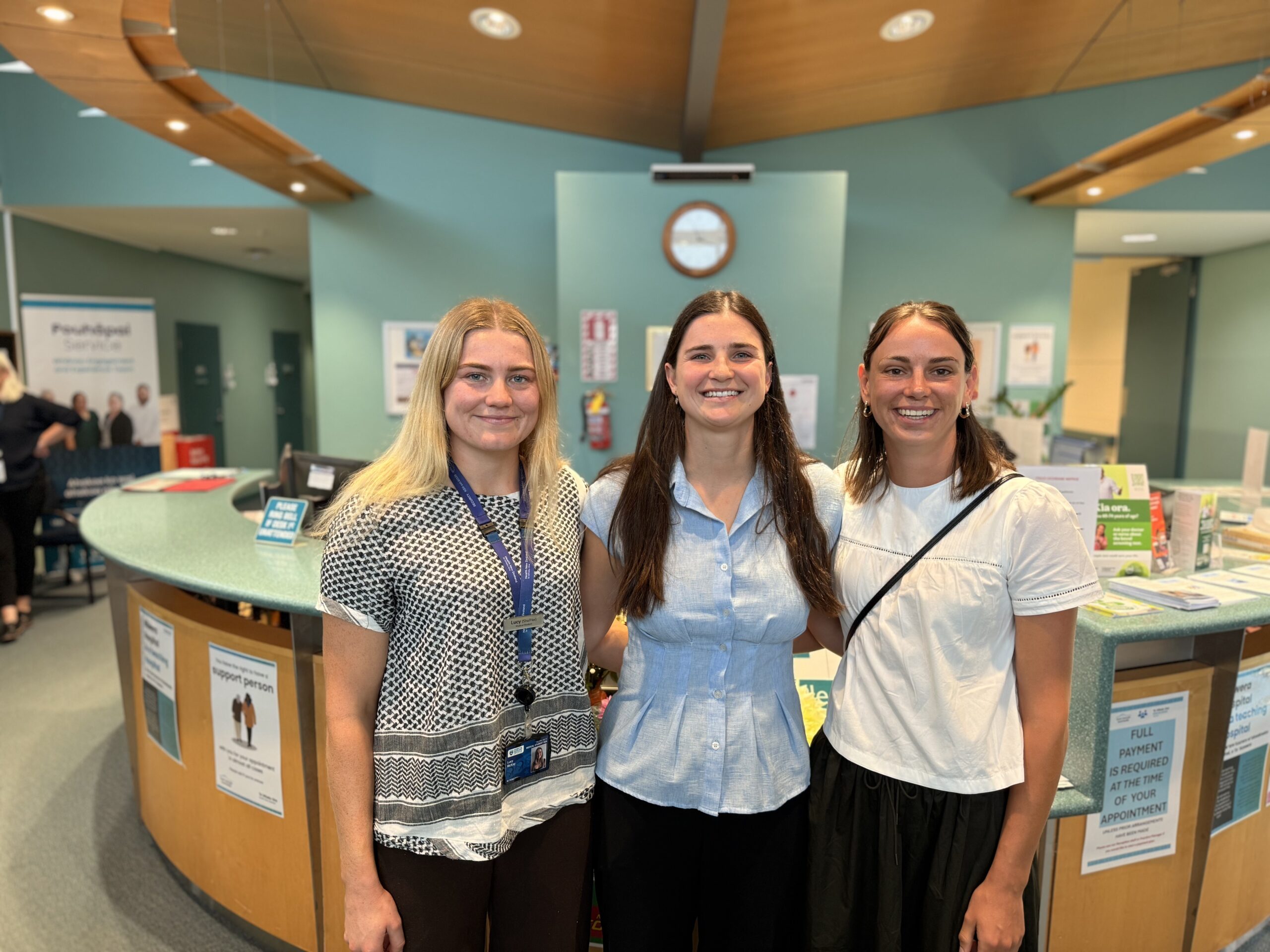
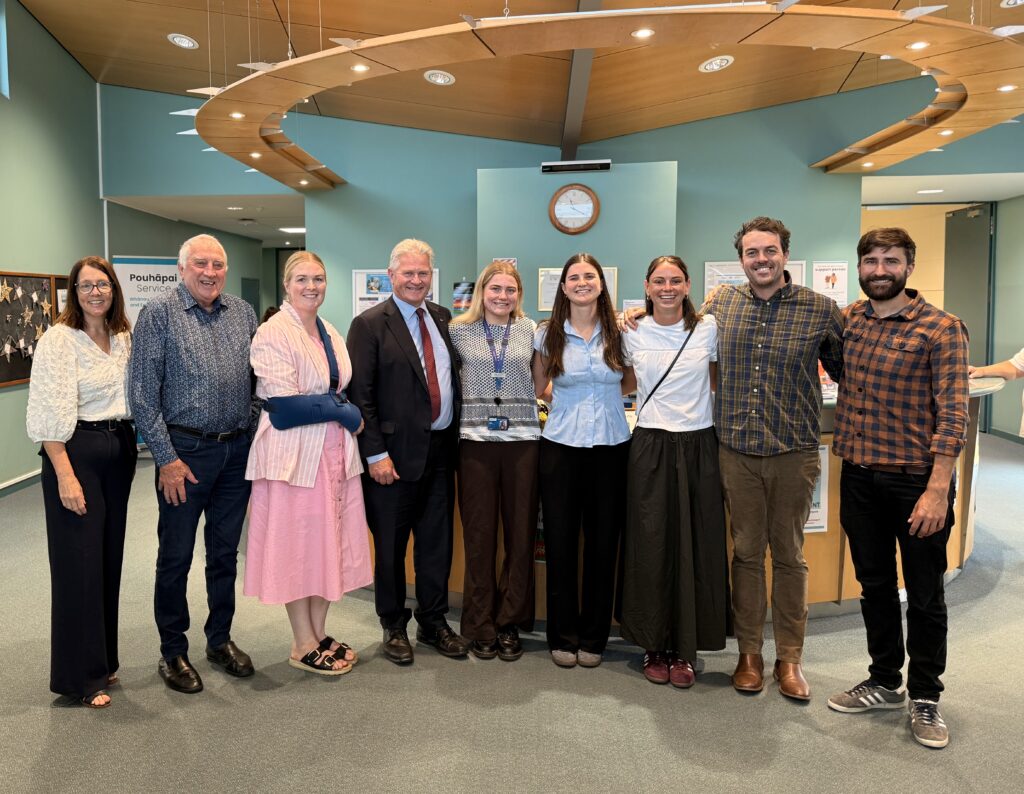
17 February 2026On 2 February, three fifth-year medical students, Emily Dennis, Samantha Watson and Lucy McKay arrived in Hāwera to begin their year-long placement at Hāwera Hospital through the Rural Medical Immersion Programme (RMIP).
Formally welcomed with a pōwhiri, the students are now settling into both hospital life and the wider South Taranaki community and embracing the hands-on learning, rural lifestyle, and yes, even the local pub quiz nights.
Building Rural Healthcare Pathways
The RMIP is designed to strengthen healthcare in rural New Zealand by placing senior medical students in regional hospitals for immersive, practical training. Hāwera Hospital is one of four North Island rural training sites selected for the programme.
The initiative is a collaboration between University of Auckland and Health New Zealand, creating a pathway for future doctors to experience the depth and diversity of rural medicine.
Hāwera Hospital consultant Dr Hannah Lawn, herself a former RMIP student, says the programme provides invaluable real-world exposure.
“The programme allows students to develop clinical skills while becoming embedded in rural communities. I encourage them to embrace the hands-on learning and the ‘get stuck in’ approach that rural medicine requires.”
Now in its second year in South Taranaki, the programme follows a highly successful first cohort in 2025. Encouragingly, two students from last year have returned to Taranaki to complete their final year of medical training at Taranaki Base Hospital which is a promising sign for future recruitment and long-term workforce retention in the region.
More Than Clinical Training
A key part of the placement is ensuring students can truly live locally. Through the support of Taranaki Foundation and key funding partner Toi Foundation, the students have been provided with a fully furnished home for the duration of their stay.
This removes a significant barrier to rural placements and allows them to immerse themselves in the South Taranaki community, experiences that are considered critical in shaping future career decisions around rural medicine.
Josh Hickford, CE at Taranaki Foundation reflected on the significance of the recent welcome.
“The pōwhiri set the tone for what looks like a promising year, not only for the three students but for the wider community as well. There was a strong reflection on 2025 and the experiences and growth of last year’s students, which really highlighted the impact of the programme.
The welcome was warm and genuine, and it was clear how much the Hāwera and South Taranaki community values having this programme here and the opportunity to showcase what rural living and learning can offer.”
The initiative is strongly supported by local doctors and the Hāwera community, alongside philanthropic partners who recognise the role hands-on rural training plays in building long-term healthcare resilience.
“The students are excited for the year ahead and very grateful for the home that has been made possible through Taranaki Foundation, in partnership with Toi Foundation and other generous donors and supporters.
Taranaki Foundation is proud to play a connector role in bringing people together to make initiatives like this happen. Without the support of Toi Foundation and our wider donor community, we would not be entering the second year of this programme.”
By backing programmes like RMIP, the region is investing in more than training – it is investing in the future of healthcare in South Taranaki.
As Emily, Samantha and Lucy begin their year, the hope is clear, that their experiences both in the hospital and in the community will shape not only their careers, but the long-term strength of rural healthcare in Taranaki.